

MICROTEXT
What is it?
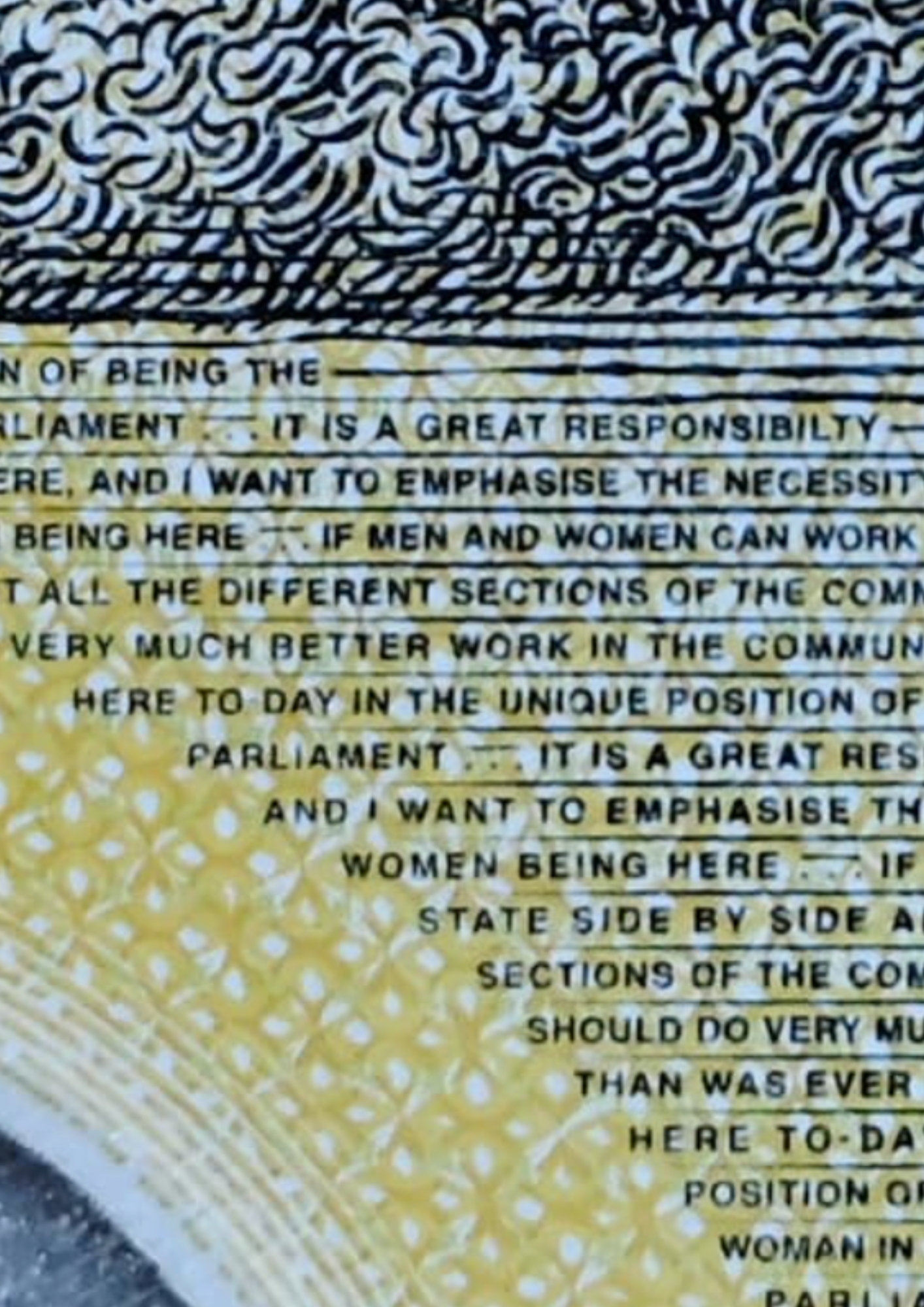
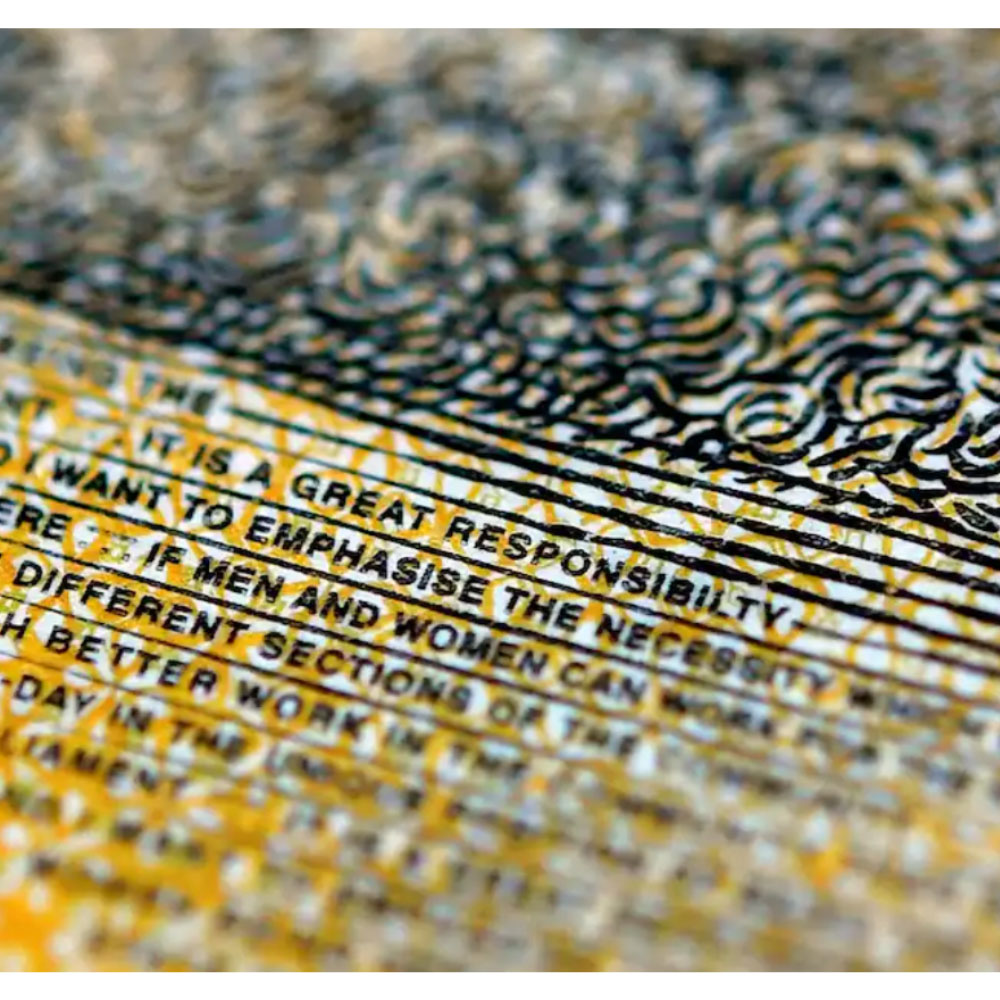
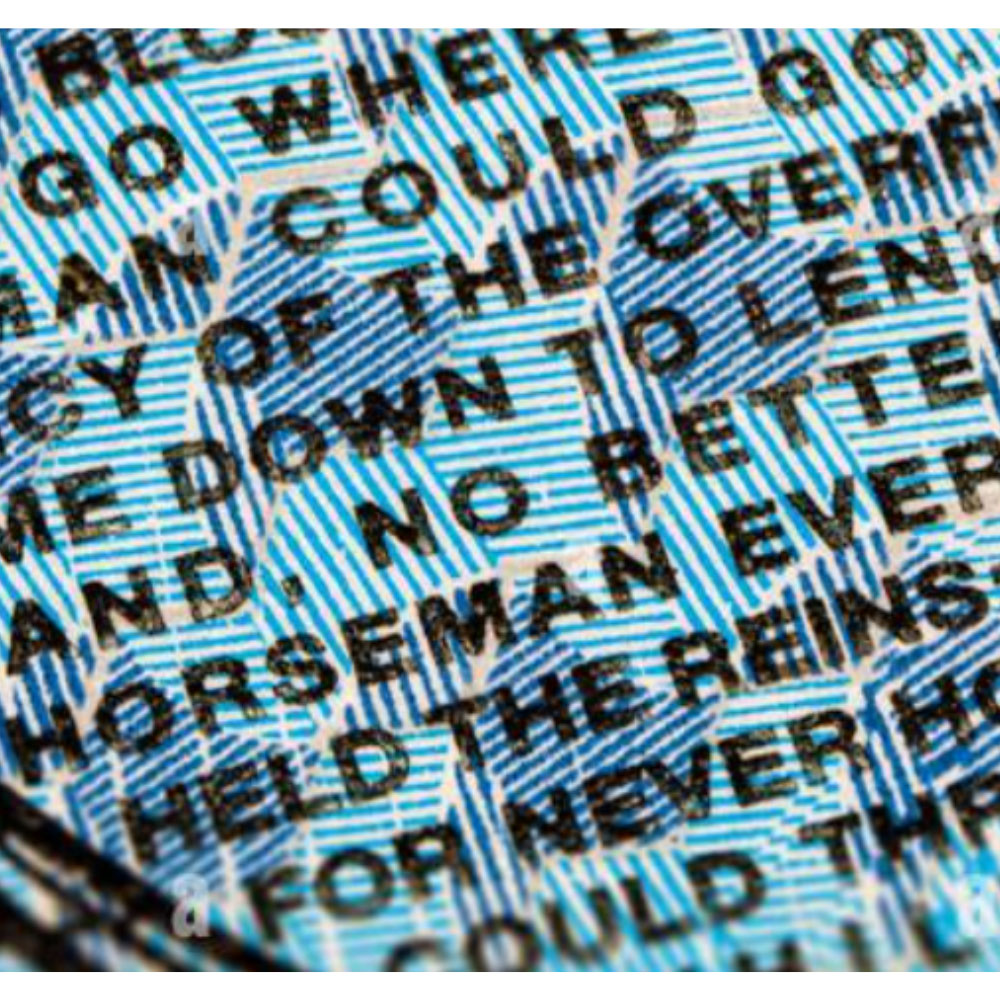
Microtext is a security technique used in various official documents to prevent counterfeiting and ensure authenticity. It consists of incorporating very small characters, often illegible to the naked eye but clearly visible under magnification, into the document’s design. To the naked eye, microtext is so small that it appears to be no more than a line.
It prevents fraud by incorporating details that are difficult to reproduce. Used in combination with other security measures, it forms an effective barrier against counterfeiting, ensuring the trust and integrity of documents.
Why can’t microtext be photocopied?
• Photocopier Resolution Limits
Photocopiers and scanners have a limited resolution, usually expressed in DPI (dots per inch). The resolution of a standard photocopier is often insufficient to capture the details of microtext. For example, a resolution of 600 DPI (high definition) may be unable to reproduce these text details.
• Diffusion and Noise
When a document containing microtext is photocopied, the small characters may spread or ‘blur’, making the text illegible or fuzzy. This is due to the diffusion of light and the imprecision of photocopiers’ reproduction mechanisms, which introduce ‘noise’ or artefacts into the copied image.
• Additional Security Techniques
Secured documents often use additional techniques alongside microtext to prevent reproduction. For example, the ink used for microtext may have specific properties, such as UV inks or optically variable inks, which do not reproduce faithfully when photocopied.
For example, all banknotes around the world contain microtext.